ABB's Digital Control Revolution: How Austria's Kühtai 2 Hydropower Plant Sets New Energy Standards
The energy sector is witnessing a quiet but profound transformation as ABB Inc. completes the digital process control system for Austria's Kühtai 2 hydropower plant. This isn't just another infrastructure upgrade—it represents a fundamental shift in how we harness and manage renewable energy at scale.
What makes this development significant is ABB's strategic positioning at the intersection of traditional hydropower and next-generation digital control systems. The company has leveraged its decades of expertise in electrical engineering to create a solution that doesn't just monitor water flow and turbine performance, but actively optimizes the entire energy generation ecosystem in real-time.
The Technology Behind the Transformation
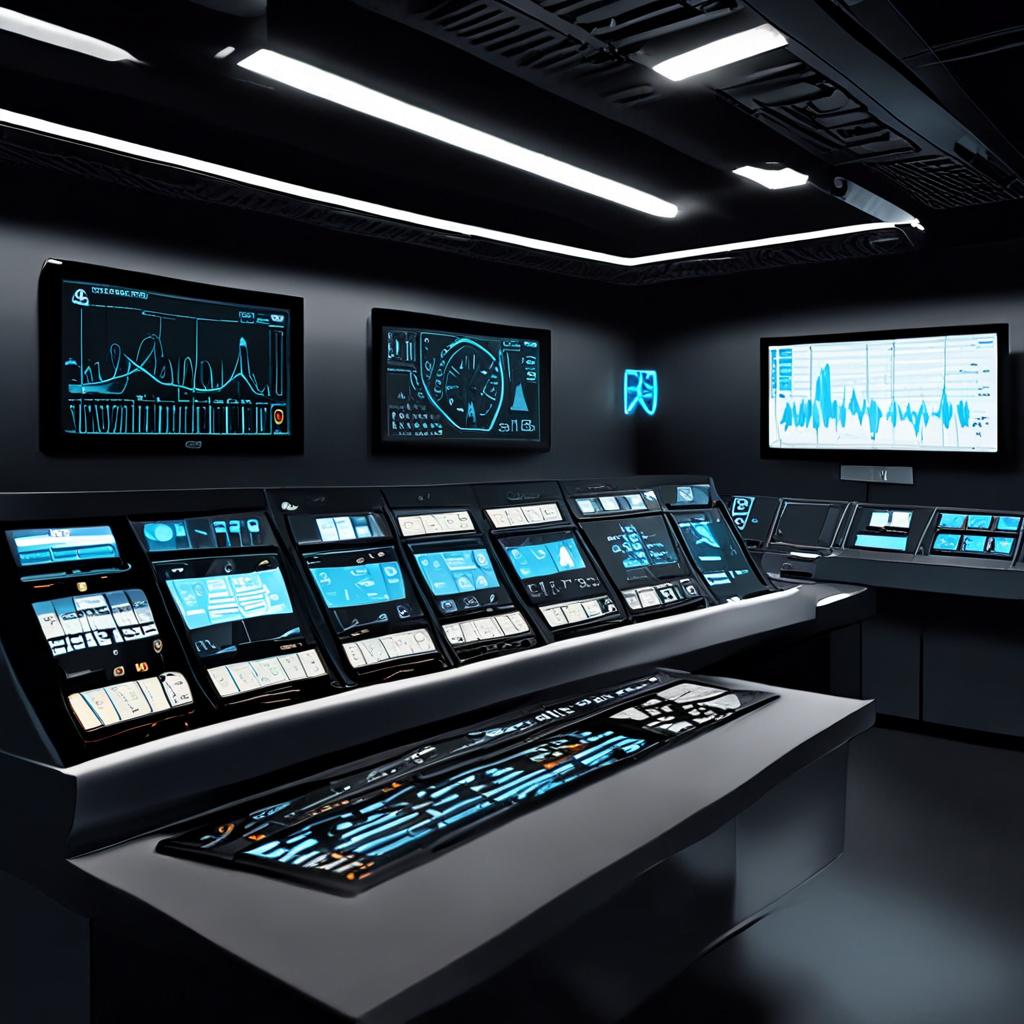
At the core of Kühtai 2's upgrade lies ABB's Ability™ Symphony Plus automation platform. This isn't your grandfather's control system—it's an integrated suite that combines advanced process control, safety systems, and asset optimization into a single, unified interface. The platform processes thousands of data points per second, making split-second decisions that maximize efficiency while minimizing wear on critical components.
The system's architecture is particularly noteworthy. Rather than relying on isolated sensors and manual adjustments, ABB has implemented a distributed control network where each component communicates with others, creating a self-optimizing system. This means the turbines, generators, and even the water intake gates work in concert, adjusting their operations based on real-time grid demands and environmental conditions.
Breaking Down the Digital Advantage
- Predictive Maintenance: The system uses machine learning algorithms to predict equipment failures before they occur, reducing downtime by up to 30%
- Energy Yield Optimization: Dynamic adjustment of water flow based on grid requirements and market prices
- Environmental Integration: Real-time monitoring of downstream water quality and temperature to ensure ecological compliance
The implications extend far beyond Austria's borders. As hydropower plants worldwide face pressure to increase output while reducing environmental impact, Kühtai 2 serves as a blueprint for modernization. The question isn't whether other facilities will adopt similar technology, but rather how quickly they can implement it.
The NextCore Edge
Our internal analysis at NextCore suggests this project represents more than just a technological upgrade—it's a strategic pivot point for the entire hydropower industry. What the mainstream media is missing is that ABB's approach here mirrors the transformation we've seen in manufacturing with Industry 4.0. Just as factories evolved from mechanical systems to intelligent, connected environments, hydropower plants are undergoing a similar metamorphosis. The difference? The energy sector's transformation has far greater implications for global sustainability goals.
According to our strategic tracking of this sector, we're seeing a pattern where early adopters of comprehensive digital control systems are achieving 15-20% efficiency improvements within the first year of implementation. Kühtai 2's success could accelerate this trend dramatically.
Technical Analysis: Beyond the Headlines
The real innovation here isn't just the hardware or software—it's the integration. ABB has created a system where the digital layer becomes inseparable from the physical infrastructure. This creates what engineers call a "digital twin" of the entire plant, allowing operators to simulate scenarios and optimize performance without risking actual equipment.
Security considerations have also been elevated. Given that critical infrastructure is increasingly targeted by cyber threats, ABB has incorporated military-grade encryption and anomaly detection systems. The control network operates on a private, isolated architecture that prevents unauthorized access while maintaining the flexibility needed for remote monitoring and updates.
The economic implications are equally compelling. While the upfront investment in digital control systems is substantial, the return on investment typically materializes within 3-5 years through reduced maintenance costs, increased uptime, and higher energy yields. For aging hydropower facilities, this digital transformation could extend operational lifespans by a decade or more.
What This Means for the Energy Future
Kühtai 2 represents a convergence of several critical trends: the need for renewable energy expansion, the pressure to modernize aging infrastructure, and the proven benefits of industrial digitalization. As countries worldwide commit to ambitious climate targets, the ability to extract maximum efficiency from existing renewable resources becomes paramount.
The success of this project could influence policy decisions globally. Governments and utilities watching Kühtai 2's performance may accelerate their own modernization timelines, particularly in regions where hydropower already plays a significant role in the energy mix—think Scandinavia, Canada, and parts of Asia.
Pro Tip: Understanding the Digital Control Revolution
For energy professionals and facility managers, the lesson from Kühtai 2 is clear: the future belongs to integrated, intelligent control systems. When evaluating modernization projects, look beyond simple automation to solutions that offer predictive capabilities, environmental integration, and cybersecurity by design. The most successful implementations will be those that treat the digital infrastructure as equally important as the physical turbines and generators.
The Kühtai 2 project demonstrates that the path to sustainable energy isn't just about building new renewable capacity—it's about making our existing infrastructure smarter, more efficient, and more resilient. As this Austrian mountain valley shows, sometimes the most revolutionary changes happen where you least expect them.
(Related: FCC Router Ban: How America's Network Infrastructure Just Became a National Security Battleground)
Industry Insights: #IndustrialTech #HardwareEngineering #NextCore #SmartManufacturing #TechAnalysis
Bringing you the latest in technology and innovation.