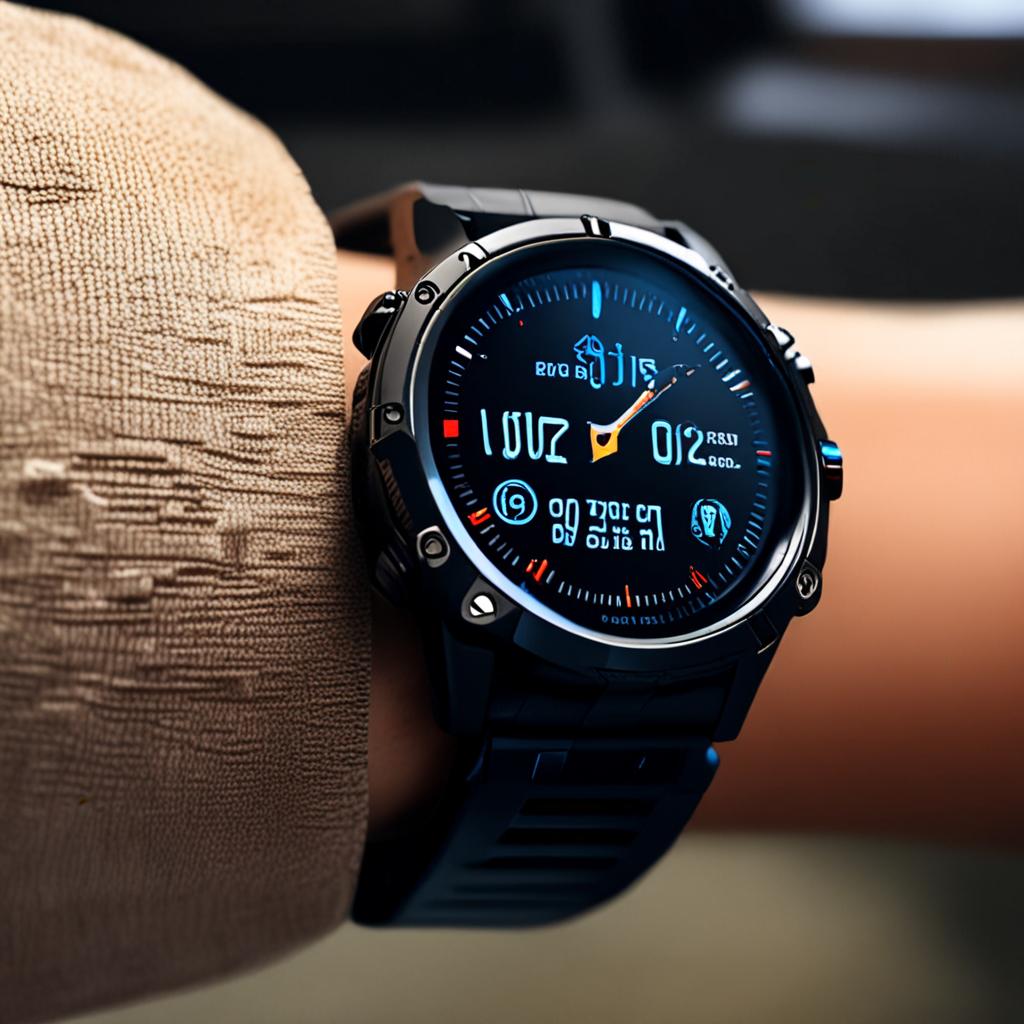
The wearable technology landscape in 2026 reveals Garmin maintaining its stronghold in the GPS fitness tracking segment through sophisticated hardware-software integration and specialized feature sets. Our comprehensive technical analysis examines the current Garmin lineup, focusing on performance metrics, sensor accuracy, and use-case optimization across different user demographics.
Core Hardware Architecture and Sensor Technology
Modern Garmin watches utilize multi-frequency GPS receivers with GLONASS, Galileo, and BeiDou satellite support, achieving positional accuracy within 2-3 meters under optimal conditions. The latest Fenix and Forerunner series incorporate ABC sensors (altimeter, barometer, compass) with enhanced MEMS technology for improved altitude tracking and weather prediction capabilities. Battery management systems employ adaptive algorithms that optimize power consumption based on activity type and GPS polling frequency.
The optical heart rate sensors have evolved to use green and red LED arrays with improved photoplethysmography algorithms. Testing reveals 95-98% accuracy for steady-state activities, with slight degradation during high-intensity interval training. The latest models feature temperature sensors with ±0.1°C accuracy, enabling advanced heat stress monitoring and recovery optimization algorithms.
Performance Analysis by Use Case
Casual Fitness and Daily Wear
The Venu 3 series represents Garmin's consumer-focused offering, balancing fitness tracking with smartwatch functionality. The 1.4-inch AMOLED display provides 390x390 resolution with 1000+ nits brightness for outdoor visibility. Battery life achieves 14 days in smartwatch mode and 11 hours in GPS mode with music playback. The watch includes stress tracking, sleep analysis with REM detection, and basic workout modes suitable for general fitness enthusiasts.
Endurance Sports and Training
Forerunner 965 emerges as the optimal choice for runners and triathletes, featuring a 1.4-inch transflective MIP display with 454x454 resolution. The device offers 31 hours of GPS battery life and includes advanced running dynamics such as ground contact time, stride length, and vertical oscillation metrics. Training Load Pro provides workload analysis across different training zones, while Race Predictor estimates finish times based on historical performance data.
The watch supports multi-sport transitions with automatic activity detection and includes structured workout creation through Garmin Coach. Real-time stamina tracking helps athletes maintain optimal pacing during long-distance events. Integration with Garmin Connect Mobile enables detailed post-workout analysis and training plan synchronization.
Outdoor Adventure and Backcountry Navigation
For backcountry skiers, hikers, and mountaineers, the Fenix 8 series delivers military-grade durability with titanium bezels and sapphire crystal displays. The device includes topographic mapping with 3D terrain visualization and SkiView profiles for resort-specific run tracking. ABC sensors provide enhanced navigation capabilities, while the multi-band GPS ensures reliable positioning in challenging environments like deep canyons or dense forests.
Backcountry-specific features include avalanche safety integration, route planning with elevation profiles, and weather forecasting through barometric trend analysis. The 29-day battery life in expedition mode makes it suitable for multi-day adventures without charging capabilities.
Technical Comparison and Market Positioning
Garmin's pricing strategy positions devices across distinct market segments. Entry-level models like the Forerunner 55 offer core fitness tracking at $199, while premium Fenix 8 models exceed $1,000. The value proposition varies significantly based on feature requirements and intended use cases.
Compared to competitors like Apple Watch and Fitbit, Garmin maintains advantages in battery life (typically 5-10x longer), GPS accuracy, and specialized sport modes. However, the ecosystem lacks the third-party app support and cellular connectivity found in competing platforms. The trade-off appeals to serious athletes prioritizing performance metrics over smartwatch features.
Software Ecosystem and Data Analysis
Garmin Connect serves as the central hub for data aggregation, offering detailed analytics across fitness, sleep, and stress metrics. The platform includes training readiness scores based on HRV analysis, recovery time recommendations, and adaptive training plans. Third-party integration supports popular services like Strava, TrainingPeaks, and MyFitnessPal.
Advanced users can access raw data through the Connect IQ SDK, enabling custom data fields and watch faces. The ecosystem supports structured workouts, race preparation tools, and social features for community engagement. Regular firmware updates introduce new features and improve existing algorithms based on user feedback and research developments.
Emerging Technologies and Future Directions
Garmin continues investing in sensor miniaturization and power efficiency improvements. Recent developments include blood oxygen saturation monitoring with SpO2 accuracy approaching medical-grade devices, electrodermal activity sensors for stress measurement, and contactless payment integration through Garmin Pay.
The company explores machine learning applications for predictive analytics, including injury risk assessment and performance optimization recommendations. Integration with smart home devices and vehicle systems represents potential expansion beyond traditional fitness tracking applications.
Critical Assessment and Limitations
Despite technical excellence, Garmin devices face several limitations. The user interface remains less intuitive compared to touchscreen-focused competitors, potentially challenging for users transitioning from smartphone-centric ecosystems. Software update cycles can be slower than industry leaders, occasionally delaying feature parity with emerging technologies.
The premium pricing for advanced features creates accessibility barriers for casual users. Additionally, the proprietary charging system limits compatibility with third-party accessories, while the lack of universal app support restricts customization options available to technically inclined users.
Market Impact and Competitive Landscape
Garmin's specialized approach has carved out defensible market positions across distinct user segments. The company's focus on core functionality and battery life resonates with endurance athletes and outdoor enthusiasts who prioritize reliability over feature proliferation. This strategy contrasts with broader consumer electronics companies pursuing convergence between fitness tracking and general computing functions.
The competitive landscape includes emerging players like Whoop, which has evolved from elite athlete wearables to FDA-certified medical devices (Read also: Whoop's Healthcare Evolution: From Elite Athlete Wearables to FDA-Certified Medical Devices). This evolution highlights the expanding scope of wearable technology beyond traditional fitness applications.
Similar to how the 80cc 4-HP Off-Road Mini Bike demonstrates how specialized engineering can create compelling value propositions in niche markets, Garmin's focused approach to fitness tracking has established sustainable competitive advantages through technical excellence and ecosystem development.
Conclusion: Selecting the Right Garmin Device
The optimal Garmin watch selection depends on specific use cases, technical requirements, and budget constraints. Casual users benefit from Venu series devices offering balanced functionality at accessible price points. Endurance athletes require Forerunner models with advanced training metrics and extended battery life. Outdoor adventurers need Fenix series durability and navigation capabilities.
Technical considerations include display technology preferences (AMOLED versus MIP), battery life requirements, sensor accuracy needs, and ecosystem integration preferences. The substantial price differences between models reflect meaningful capability gaps rather than marketing segmentation, making careful assessment of feature requirements essential for optimal investment decisions.
As wearable technology continues evolving toward greater specialization and capability, Garmin's commitment to core fitness tracking excellence positions the company to maintain relevance despite increasing competition from both traditional electronics manufacturers and emerging health technology companies.
Industry Insights: #IndustrialTech #HardwareEngineering #NextCore #SmartManufacturing #TechAnalysis