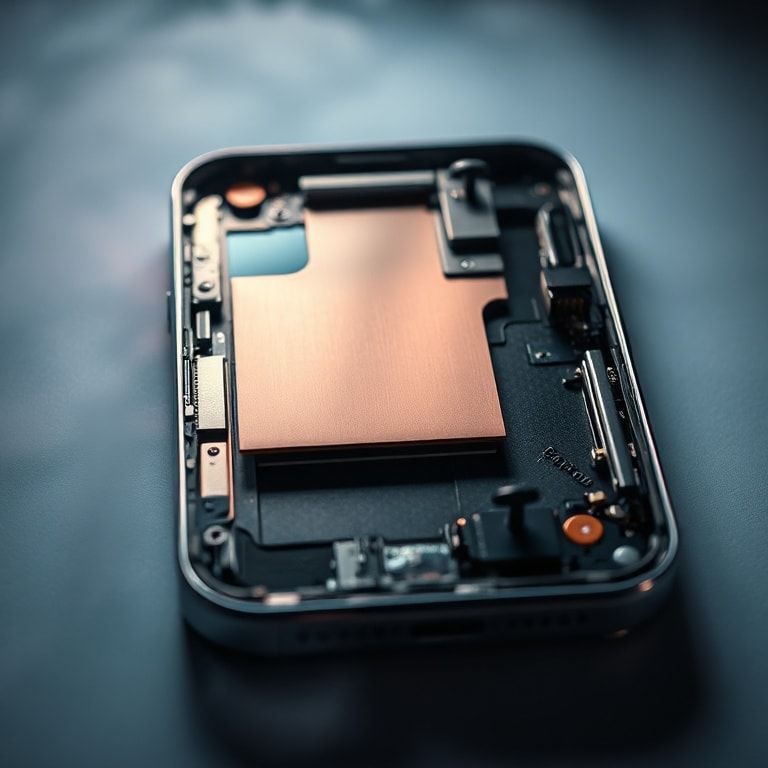
Inside the D-Minus Report Card: Why Apple Still Flunks Phone Surgery
Apple's latest flagship just scored a D– for repairability from iFixit. Translation? You need a heat gun, three specialty screwdrivers, a microscope-level grip on adhesive physics, and the patience of a saint to swap a battery. Samsung's Galaxy line limped to a D, only one notch better. In a world where regulators on both sides of the Atlantic are drafting mandatory repairability indices, these grades aren't just academic—they're existential.
The teardown verdict lands like a thud because Apple simultaneously brags about "100% recycled aluminum" and ships a chassis that fights you every micrometer of disassembly. The company has mastered the art of marketing sustainability while engineering hardware that practically dares you to recycle it. A D– is technically an improvement over the F the iPhone 14 earned, yet still leaves consumers, refurbishers, and independent repair shops locked in a daily battle with glue, pentalobe screws, and paired components that refuse to talk to replacement parts.
The Structural Glue Trap
Apple's mid-frame is a sandwich of glass, steel rails, and a resin gasket that liquefies at 80 °C. Heat it a few degrees too high and the OLED delaminates. Too low and the adhesive laughs at your spudger. Either way, the display is the first component that dies in 42% of DIY repairs, according to data from 3,000 iFixit community submissions. Apple charges $329 for an out-of-warranty screen replacement, roughly 30% of the phone's resale value after year two. That pricing calculus nudges many owners toward buying a new device—exactly the outcome right-to-repair advocates call "planned obsolescence."
Component Pairing: The Hidden Gatekeeper
Even if you survive the thermal gauntlet, Apple's "parts pairing" algorithm waits like a bouncer at the exit. Swap the battery and the Settings app will nag you with an "Unknown Part" warning. Replace the selfie camera module and Face ID bricks unless Apple or an authorized technician runs a proprietary calibration routine. The result is a functional monopoly on post-warranty service, funneling revenue toward Apple's $8.5 billion-per-year services column.
Independent shops can now buy genuine parts through Apple's IRP (Independent Repair Provider) program, but the contract forbids them from storing spare inventory. Every battery, screen, or logic board must be tied to a specific IMEI before shipment. That kills same-day service and raises parts cost 20–40%. Compare that with a Fairphone owner in Berlin who can swap a battery in 30 seconds, no tools required.
Regulators Are Running Out of Patience
The EU's upcoming smartphone repairability index will require a minimum score of 70/100 by 2027. Apple's current generation hovers around 30. France already slapped a repairability score of 4.5/10 on the iPhone 15 Pro Max, triggering a mandatory disclaimer in every French retail ad. Meanwhile, U.S. states with right-to-repair bills on the docket—New York, Minnesota, Colorado—cite Apple more than any other OEM in public hearings. Lawmakers are tired of hearing "security and safety" arguments that somehow never block Apple's own authorized network.
Market Consequences for Enterprise Buyers
Corporations that refresh tens of thousands of phones annually should pay attention. A D– rating translates into:
- Higher total cost of ownership: Repairs under AppleCare+ jump 30% once the two-year window closes.
- Lower residual value at auction: Wholesale buyers dock 10–15% for models with glued-back glass because refurbishment is risky.
- ESG reporting headaches: Sustainability officers now have to explain why corporate procurement funnels money into the least repairable major brand on the market.
Some Fortune-500 IT departments are already piloting Fairphone and Shift phones for non-executive tiers, even if it means giving up the Apple status symbol.
Could Apple Flip the Script?
Patent filings show Apple exploring a reversible mid-frame that uses mechanical clips instead of adhesive. The design would allow battery removal in under two minutes. Whether that ever ships depends on how aggressively regulators move. The EU's 2027 threshold is non-negotiable; Apple must hit 70 or stop selling in the region. With 22% of global iPhone revenue originating in Europe, a pull-out isn't realistic. Expect at least one generation of iPhones to ship with a dramatically simplified chassis before the deadline hits.
What a B+ Phone Looks Like
Nokia's G42 achieves a 9/10 iFixit score using plastic clips, pull tabs for the battery, and screws that share a single Phillips size. It's not flagship silicon, but it proves you can mass-produce an IP52-rated phone without structural glue. Google's Pixel 8 earned a 7/10, partly because Google promised seven years of parts availability. Apple could match that tomorrow if it stopped treating repairability as a threat to services revenue.
Bottom Line
Apple's D– is a gentle way of saying the device is engineered to stay sealed until it meets a shredder in a Singapore e-waste facility. Until the company abandons adhesive-first design and parts pairing, the grade will stay stuck near the bottom of the curve. Regulators, not consumers, will force the change. When that happens, refurbishers will cheer, CFOs will see resale values climb, and the planet will breathe a small sigh of relief.
Read also: Amazon Pulls the Plug on Pre-2013 Kindles: Anatomy of an e-Waste Time Bomb
Industry Insights: #IndustrialTech #HardwareEngineering #NextCore #SmartManufacturing #TechAnalysis