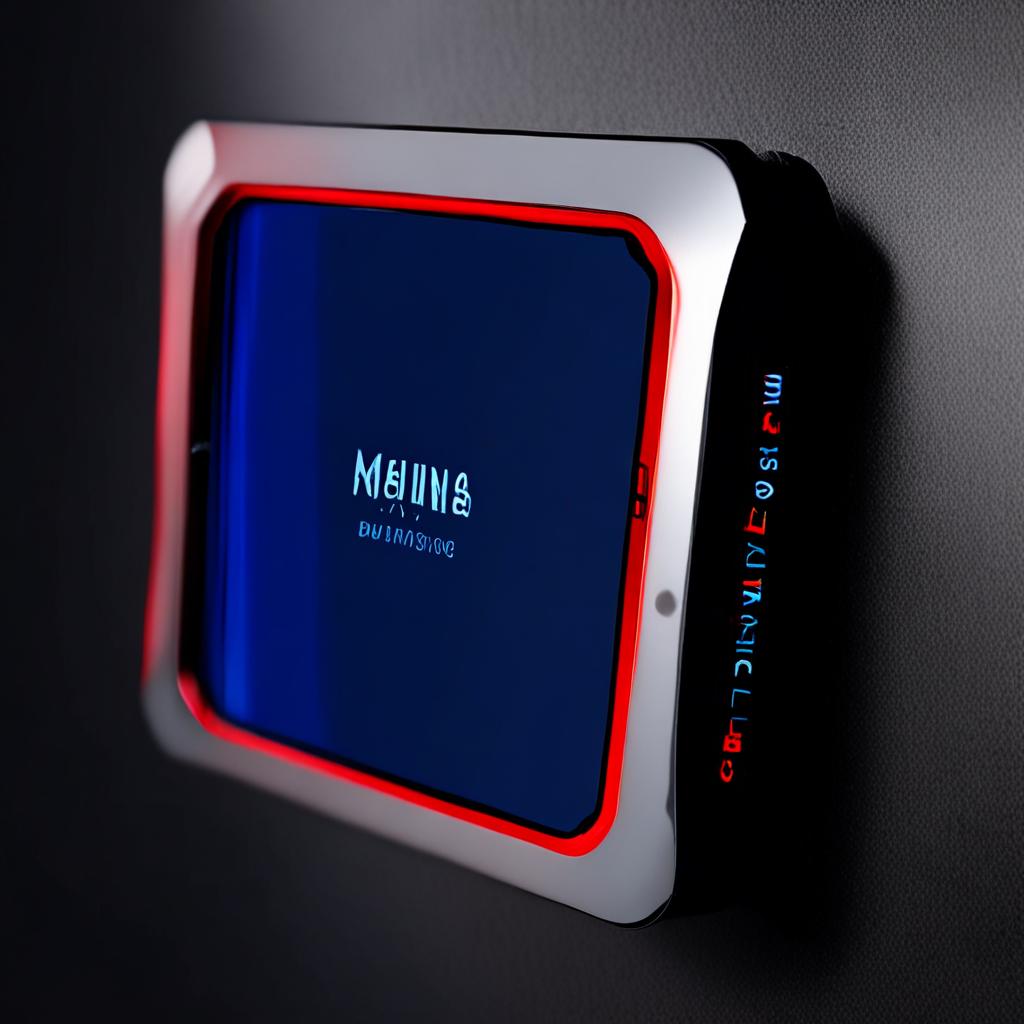
The external storage market has undergone a seismic shift in 2026, with NVMe SSDs and specialized rugged drives redefining what's possible for mobile professionals. Whether you're a 4K video editor racing against deadlines or a wildlife photographer documenting endangered species in the Amazon, today's external storage solutions offer unprecedented speed, durability, and versatility.
The Speed Revolution: NVMe External SSDs Dominate Professional Workflows
The most significant advancement in 2026 external storage is the proliferation of NVMe-based solutions that deliver read speeds exceeding 7,000 MB/s and write speeds approaching 6,000 MB/s. These drives have effectively eliminated the traditional bottleneck between storage and processing, allowing professionals to work directly from external drives without performance penalties.
For video editors, this means 8K raw footage can be streamed directly from external storage without dropped frames or latency. Colorists can apply real-time effects to 12-bit HDR content without waiting for proxy files to generate. The workflow transformation is so profound that many post-production houses have eliminated internal storage arrays entirely, relying instead on daisy-chained NVMe enclosures.
The technology behind these speed demons involves PCIe 4.0 and 5.0 interfaces, advanced controller architectures, and cutting-edge NAND flash memory. Leading manufacturers have also implemented intelligent caching algorithms that predict data access patterns, further optimizing performance for specific workloads.
Rugged Storage: Engineering for Extreme Environments
While speed dominates studio environments, the field demands something entirely different: survivability. Modern rugged external drives have evolved beyond simple shock resistance to incorporate military-grade engineering principles. These devices withstand drops from 3+ meters, operate in temperatures ranging from -20°C to 85°C, and resist water, dust, and chemical exposure.
The construction typically involves aerospace-grade aluminum alloy housings, rubberized shock absorption systems, and IP68-rated seals. Some manufacturers have even developed self-healing capabilities where minor scratches on protective coatings automatically repair themselves through chemical reactions triggered by heat or UV exposure.
For professionals working in challenging environments, these drives represent more than convenience—they're mission-critical equipment. A photojournalist covering conflict zones or a field researcher studying volcanic activity cannot afford data loss due to environmental factors.
The Storage Ecosystem: Connectivity and Compatibility
The 2026 storage landscape features a complex ecosystem of connectivity options. USB4 with Thunderbolt 4 compatibility remains the dominant standard, offering up to 40 Gbps transfer rates. However, the emergence of USB4 Version 2.0 with 80 Gbps capabilities is beginning to appear in premium devices.
Beyond wired connections, wireless external storage has matured significantly. Wi-Fi 7-enabled drives offer multi-gigabit transfer speeds while maintaining compatibility with existing networks. Some models incorporate both wireless and wired connectivity, automatically switching between them based on speed requirements and battery conservation needs.
Compatibility extends beyond basic file systems. Modern external drives support cross-platform operation without reformatting, with built-in drivers that enable seamless integration with Windows, macOS, Linux, and even mobile operating systems. This universality is particularly valuable for creative professionals who work across different platforms.
Capacity vs. Performance: The Engineering Trade-offs
Storage manufacturers face constant pressure to balance capacity with performance. While 20TB+ drives are available, they often sacrifice some speed for density. The sweet spot for most professionals remains in the 4-8TB range, where performance and capacity achieve optimal balance.
Manufacturers are addressing this challenge through innovative architectures. Some drives use tiered storage, combining high-speed SLC caching with denser TLC or QLC NAND. Others implement dynamic thermal management systems that prevent performance throttling during extended heavy workloads.
The emergence of computational storage—where drives include dedicated processors for data management tasks—represents the next frontier. These intelligent drives can perform encryption, compression, and even basic AI operations without burdening the host system.
Security in the Age of Data Mobility
As data becomes increasingly mobile, security concerns have intensified. Modern external drives incorporate multiple layers of protection, from hardware-based encryption that's nearly impossible to bypass to biometric authentication systems that prevent unauthorized access.
Some drives feature self-destruct mechanisms that permanently erase data after multiple failed authentication attempts. Others include geofencing capabilities that lock the drive if it moves beyond a predefined location range. These features are particularly valuable for industries handling sensitive information, from healthcare to financial services.
The Environmental Impact: Sustainable Storage Solutions
The storage industry is increasingly focusing on environmental sustainability. Manufacturers are adopting recycled materials for drive housings, implementing energy-efficient controllers that reduce power consumption, and developing packaging that minimizes waste.
Some companies have introduced drive recycling programs, offering discounts on new purchases when old drives are returned for proper disposal. Others are exploring biodegradable materials for certain components, though durability requirements currently limit this approach.
Looking Ahead: The Future of External Storage
The trajectory of external storage technology points toward even greater integration with cloud services. Future drives will likely feature seamless hybrid storage, where frequently accessed files remain local while archival data automatically syncs to cloud storage.
We're also seeing the emergence of specialized drives for specific applications. Gaming drives with built-in emulators, AI training drives with optimized data pipelines, and creative drives with pre-installed software suites represent the beginning of this trend.
Quantum storage, while still experimental, shows promise for specific applications where traditional NAND flash faces limitations. Though not ready for mainstream adoption, quantum-based storage could revolutionize data density and access speeds within the next decade.
Making the Right Choice: Matching Technology to Need
Selecting the optimal external storage solution requires understanding your specific workflow requirements. Video professionals need maximum throughput and large capacities. Field photographers prioritize durability and reliability. Mobile creators might value portability and wireless connectivity.
Consider not just current needs but future requirements. A drive that meets today's specifications might become obsolete as file sizes grow and workflows evolve. Investing in slightly more capability than currently needed often proves cost-effective over the drive's lifespan.
Read also: VPN Market Analysis: Surfshark's 87% Discount Strategy and the Battle for Digital Privacy - Understanding how data security extends beyond physical storage to network protection.
Read also: Tech-Enhanced Public Safety: How Digital Tools Are Transforming Personal Protection - Exploring how portable technology is reshaping safety protocols across industries.
Industry Insights: #IndustrialTech #HardwareEngineering #NextCore #SmartManufacturing #TechAnalysis