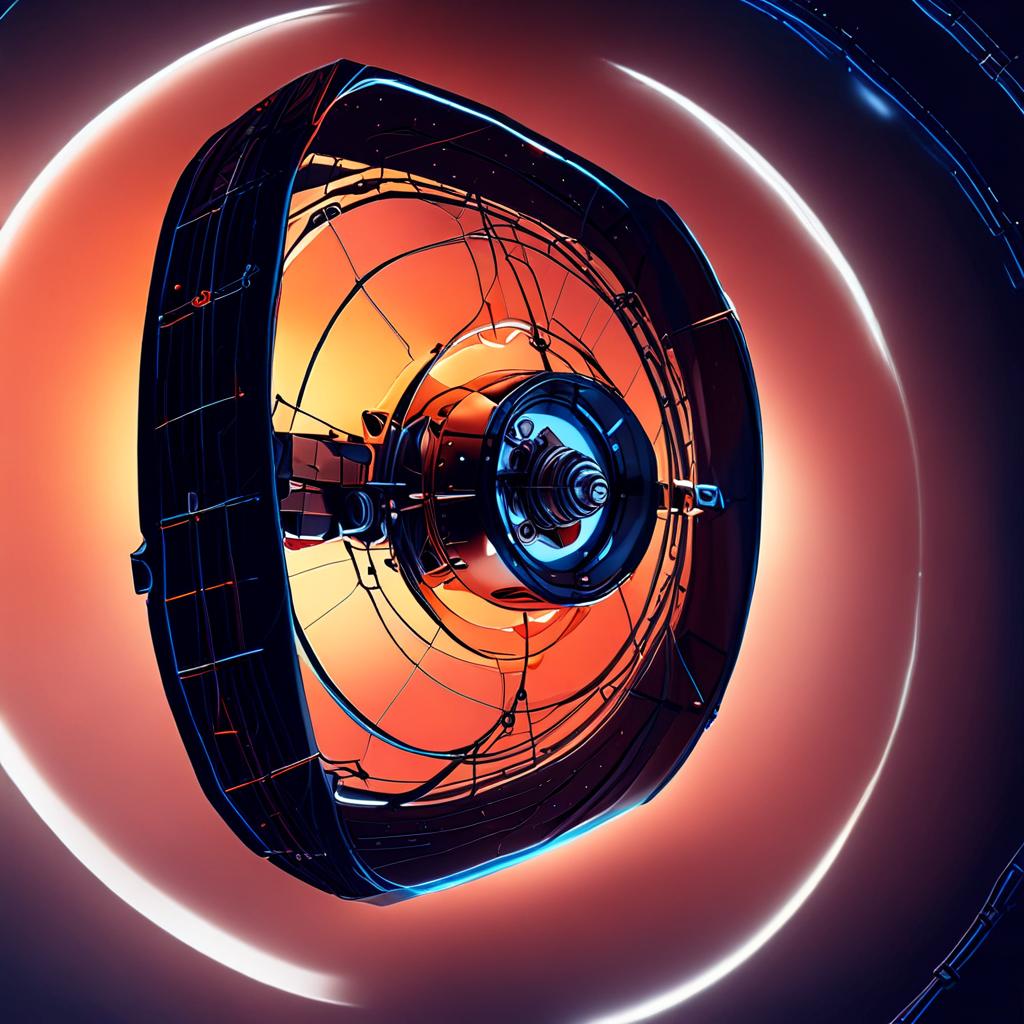
Aetherflux's $2B Bet: How Space-Based Solar Power Could Reshape Energy Infrastructure
Aetherflux, the pioneering space-based solar power startup, is reportedly raising a massive Series B funding round that could value the company at $2 billion. The round, led by Index Ventures with participation from existing investors, is targeting between $250 million and $350 million in fresh capital, according to sources familiar with the matter.
This funding milestone represents a significant validation of Aetherflux's ambitious vision to deploy constellations of satellites capable of harvesting solar energy in orbit and beaming it to Earth as microwave energy. The company's technology aims to provide clean, baseload power 24/7,不受地球自转影响, potentially solving one of renewable energy's most persistent challenges: intermittency.
The timing of this raise is particularly noteworthy given the current energy market dynamics. With global energy demand projected to grow by 50% by 2050, traditional terrestrial solar and wind face limitations in scalability and reliability. Aetherflux's approach could complement existing renewable infrastructure by providing consistent power regardless of weather conditions or time of day.
Technical Challenges and Progress
The space-based solar power concept has been theorized for decades, but Aetherflux claims to have solved several critical engineering challenges that have historically made the technology impractical. The company's modular satellite design uses advanced photovoltaic cells with efficiency rates exceeding 40%, coupled with phased array antennas capable of precise energy transmission to ground receivers.
However, significant technical hurdles remain. The energy conversion efficiency from solar to microwave to electrical power still hovers around 50-60%, meaning the system requires substantial initial energy investment. Additionally, the orbital debris risk and regulatory challenges of operating hundreds or thousands of satellites in low Earth orbit present ongoing concerns.
Market Disruption Potential
If successful, Aetherflux's technology could fundamentally reshape global energy infrastructure. The company estimates that a constellation of 1,000 satellites could provide continuous power to a mid-sized city, with the potential to scale to regional or even national grids. This distributed approach could reduce reliance on centralized power plants and transmission lines, potentially lowering infrastructure costs and improving resilience.
The investment also signals growing confidence in space-based energy solutions among venture capital firms. Index Ventures' leadership of this round suggests institutional investors see a viable path to commercial viability, despite the technology's long development timeline and substantial capital requirements.
Competition and Industry Context
Aetherflux isn't alone in pursuing space-based solar power. Companies like Solaren and China's OMEGA program are developing competing technologies, while traditional energy giants explore similar concepts. The race to commercialize this technology could accelerate innovation across multiple sectors, from advanced materials to wireless power transmission.
The company's progress comes as other industries are experiencing similar technological inflection points. For instance, the modular manufacturing revolution exemplified by innovations like the xTool WonderPress is demonstrating how flexible, scalable systems can transform traditional industries (Read also: xTool WonderPress: Modular Heat Press Revolutionizes Small-Scale Manufacturing with Swappable Toolheads). Aetherflux's modular satellite approach shares similar principles of scalability and adaptability.
Financial Implications
The $2 billion valuation reflects not just Aetherflux's current technology, but the potential market size for space-based energy solutions. Analysts project the global space energy market could reach $50 billion by 2040, driven by demand from remote locations, disaster response scenarios, and the growing space economy itself.
However, the capital-intensive nature of space hardware development means Aetherflux will need to demonstrate rapid progress to justify this valuation. The company must show not only technical feasibility but also a clear path to cost reduction and operational efficiency that makes space-based solar competitive with terrestrial alternatives.
Regulatory and Environmental Considerations
Space-based solar power faces unique regulatory challenges. Spectrum allocation for microwave transmission, orbital traffic management, and international space law compliance all represent potential obstacles. Environmental groups have also raised concerns about the ecological impact of microwave beams on wildlife and atmospheric conditions.
The company's approach to these challenges will be critical to its long-term success. Transparent engagement with regulators, environmental impact assessments, and international cooperation frameworks will be essential as the technology moves from prototype to commercial deployment.
Future Outlook
Aetherflux's funding round represents more than just capital for a single company; it signals a potential shift in how we think about energy infrastructure. If successful, space-based solar power could complement terrestrial renewables, providing the reliable baseload power needed for a carbon-neutral future.
The next 18-24 months will be crucial as Aetherflux uses this funding to advance its technology from demonstration projects to commercial-scale operations. The company's ability to navigate technical, regulatory, and market challenges will determine whether this $2 billion bet pays off or joins the long history of promising but unrealized space energy concepts.
As the energy transition accelerates, solutions like Aetherflux's space-based solar power may prove essential to meeting global climate goals while supporting economic growth. The success of this venture could mark the beginning of a new era in energy production, one where the ultimate power source is literally above us, continuously available and free from terrestrial constraints.
Industry Insights: #IndustrialTech #HardwareEngineering #NextCore #SmartManufacturing #TechAnalysis
Bringing you the latest in technology and innovation.