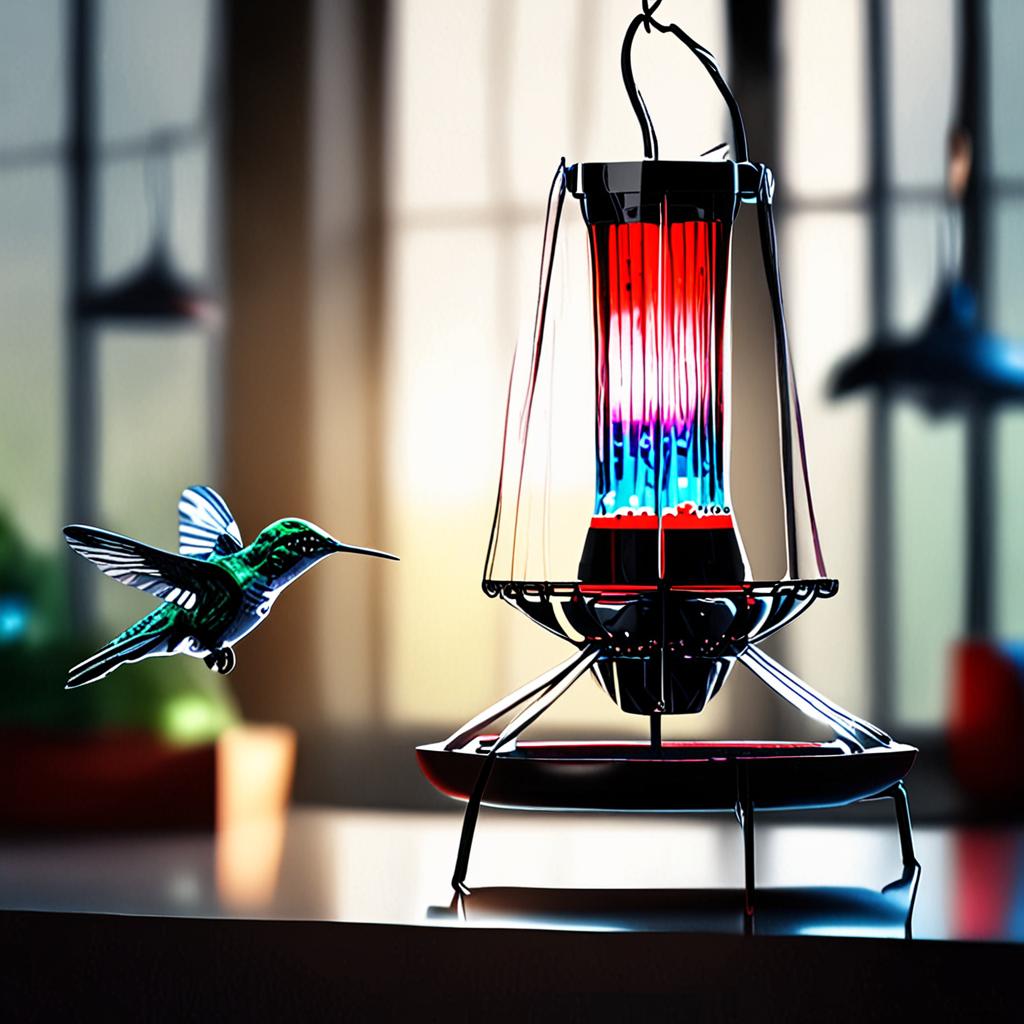
Birdbuddy's Smart Hummingbird Feeder Pro Solar represents a fascinating convergence of consumer electronics, artificial intelligence, and wildlife conservation technology. At its core, this $189 device (down from $299) demonstrates how edge computing and computer vision are democratizing access to sophisticated wildlife monitoring capabilities that were once exclusive to research institutions.
The device's 2K motion-activated camera with 5-megapixel stills capability and HDR video recording showcases the rapid advancement in low-power imaging technology. What makes this particularly interesting from a technical perspective is the integration of AI-powered species identification directly on the device. This edge processing approach minimizes latency while preserving battery life – critical considerations for solar-powered outdoor electronics.
The feeder's ability to function in temperatures ranging from below freezing to 120°F, combined with its IP67 waterproof rating, demonstrates robust industrial design principles. The detachable solar roof and camera module reflect thoughtful engineering that balances functionality with practical maintenance considerations. This modular approach allows users to protect sensitive electronics during extreme weather while maintaining the feeder's core functionality.
Perhaps most intriguing is the device's AI-driven health monitoring capabilities. The system can detect signs of illness in visiting birds and identify potential predators like cats or dogs in the vicinity. This represents an emerging trend in IoT devices that go beyond simple data collection to provide actionable insights and automated alerts.
The companion app's ability to track individual birds and create personalized visitor logs introduces an interesting dimension of human-computer interaction in wildlife observation. While this feature requires a premium subscription, it highlights how AI can transform passive observation into an engaging, personalized experience. This gamification of wildlife monitoring could have significant implications for citizen science initiatives.
From a broader industry perspective, Birdbuddy's approach reflects a growing trend of applying advanced computer vision techniques to ecological monitoring. As discussed in our analysis of Birdbuddy's Smart Hummingbird Feeder: How AI-Powered Wildlife Tech is Democratizing Conservation, these devices are creating new opportunities for data collection that could inform conservation efforts at unprecedented scales.
The $110 discount represents more than just a seasonal promotion – it signals increasing competition in the smart wildlife monitoring market. As manufacturing costs decrease and AI capabilities become more accessible, we can expect to see similar devices targeting different species and use cases. This democratization of wildlife monitoring technology could fundamentally change how we understand and interact with local ecosystems.
However, the device also raises important questions about data privacy and wildlife disturbance. The constant monitoring and identification of individual animals could potentially stress wildlife populations if not implemented thoughtfully. Additionally, the collection and storage of wildlife data in cloud services presents new challenges for data governance and security.
The integration of solar power with USB-C charging options demonstrates practical engineering solutions for energy management in outdoor IoT devices. The ability to maintain battery levels even in cloudy conditions through efficient solar harvesting is particularly noteworthy, as it addresses one of the primary limitations of outdoor electronics.
Looking ahead, the success of devices like Birdbuddy's feeder could catalyze further innovation in environmental monitoring technology. We might see similar approaches applied to larger-scale ecological monitoring, potentially creating networks of interconnected devices that provide real-time data on biodiversity, climate impacts, and ecosystem health.
The technical specifications – 1.75 cups of nectar capacity, 2K camera resolution, 5-megapixel stills, and slow-motion capabilities – represent a careful balance between consumer appeal and practical functionality. This optimization for both user experience and wildlife observation showcases the maturing of consumer IoT design principles.
As AI continues to advance, we can expect future iterations of these devices to offer even more sophisticated capabilities, potentially including predictive analytics for migration patterns, automated species population estimates, and integration with broader environmental monitoring systems. The Birdbuddy feeder represents an early but significant step in this direction.
The broader implications extend beyond birdwatching. This technology demonstrates how AI and computer vision can transform our relationship with the natural world, potentially fostering greater environmental awareness and engagement. As these tools become more accessible, they could play a crucial role in citizen science initiatives and conservation efforts worldwide.
The current pricing strategy – offering the device at its lowest price point during peak birdwatching season – suggests a sophisticated understanding of both market dynamics and consumer behavior. This timing maximizes adoption while providing value to early adopters who can contribute to the device's ongoing development through real-world usage data.
In conclusion, Birdbuddy's Smart Hummingbird Feeder Pro Solar represents more than just a clever gadget for bird enthusiasts. It's a glimpse into the future of environmental monitoring, where AI-powered devices create new possibilities for understanding and protecting wildlife. As this technology evolves, it could fundamentally reshape how we study and interact with the natural world.
Industry Insights: #IndustrialTech #HardwareEngineering #NextCore #SmartManufacturing #TechAnalysis