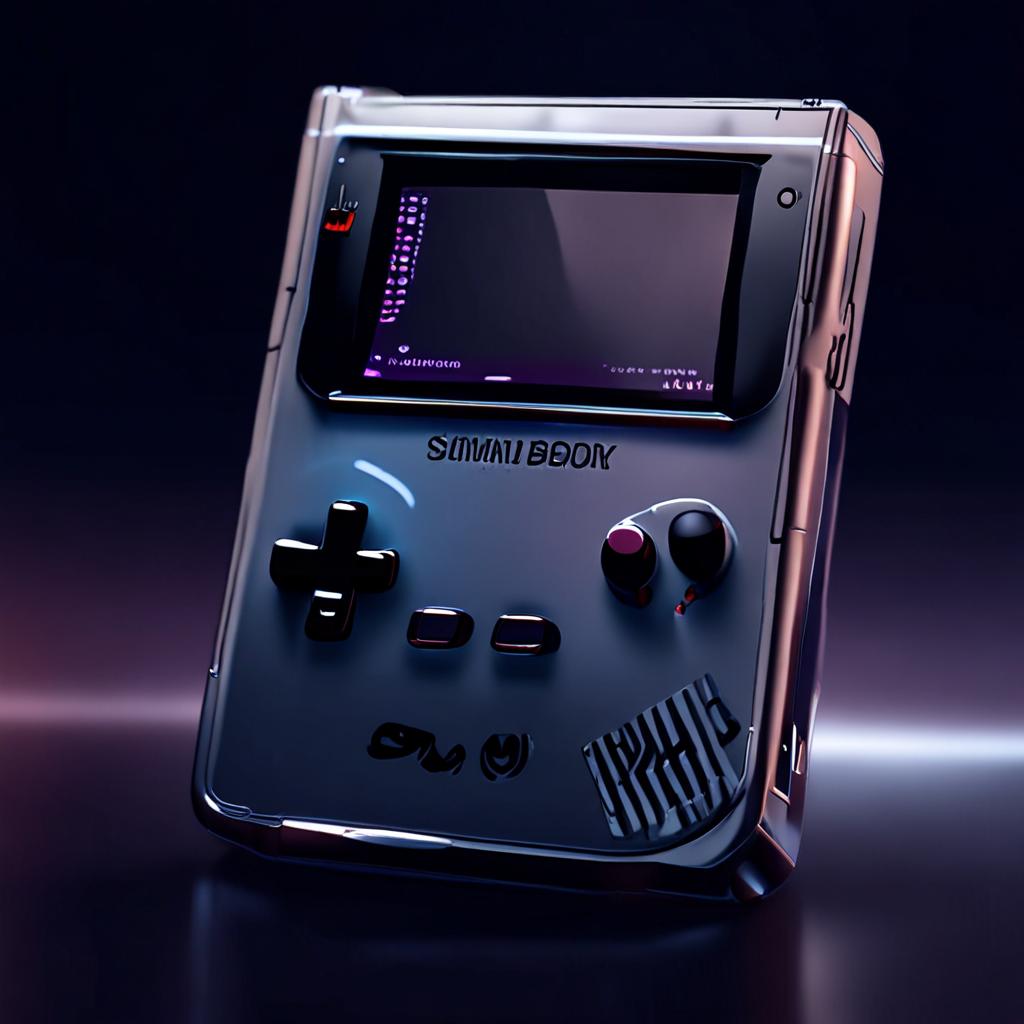
The $50 Epilogue GB Operator, once a simple retro gaming backup device, has evolved into something far more ambitious: a mobile cartridge authentication tool. The company's new Retrace app for Android and iOS promises to help collectors and resellers verify whether their Game Boy, Game Boy Color, and Game Boy Advance cartridges are genuine or counterfeit before they buy or sell them. It's a compelling proposition in a market where fake cartridges have become increasingly sophisticated and collector values can swing dramatically based on authenticity.
But does this technological solution actually deliver on its promise? After testing approximately 50 cartridges from my personal collection—spanning both English and Japanese releases—the results paint a complicated picture that reveals both the promise and current limitations of automated authentication systems.
The GB Operator itself remains a solid piece of hardware. The device connects to your PC via USB and can read, back up, and even modify Game Boy cartridges. The addition of mobile connectivity through Retrace expands its utility significantly, allowing collectors to verify cartridges in the field without needing a computer. This portability is particularly valuable at swap meets, garage sales, or when meeting potential sellers in person.
However, the core functionality—authentication—proved inconsistent during testing. The system correctly identified most legitimate cartridges in my collection without issue, which demonstrates that the underlying detection algorithms work in many cases. More concerning were the false positives and negatives that appeared throughout the testing process. Several clearly counterfeit cartridges were marked as "authentic," while some genuine cartridges were flagged as "counterfeit" or "possible counterfeit."
This inconsistency raises fundamental questions about the technology's readiness for real-world collector use. When dealing with items that can be worth hundreds or even thousands of dollars, a tool that provides unreliable results could do more harm than good. A collector relying solely on Retrace might either purchase a worthless fake thinking it's genuine, or walk away from a valuable authentic cartridge based on a false alarm.
The challenges facing automated cartridge authentication are multifaceted. Counterfeiters have become increasingly sophisticated, creating cartridges that not only contain the correct game data but also replicate the physical characteristics of authentic cartridges. Some fakes use genuine cases with modified internal components, while others are complete reproductions from the circuit board up. A detection system needs to account for these varying levels of sophistication.
Additionally, the aging nature of Game Boy cartridges introduces another layer of complexity. Authentic cartridges that have undergone repairs, modifications, or component replacements may trigger false positive counterfeit alerts. Similarly, regional variations and special editions that collectors prize can sometimes fall outside the parameters that automated systems are programmed to recognize as legitimate.
The Retrace app's performance issues highlight a broader challenge in applying AI and machine learning to physical authentication tasks. While these technologies excel at pattern recognition in controlled environments, they struggle with the vast variability present in real-world objects that have been manufactured, used, repaired, and modified over decades. The training data required to achieve high accuracy across all scenarios would need to be exceptionally comprehensive and diverse.
For collectors, the current state of cartridge authentication tools suggests a hybrid approach remains necessary. Physical inspection skills, knowledge of manufacturing variations, and understanding of common counterfeiting techniques are still essential. Tools like Retrace can serve as one component of a verification process, but they shouldn't replace human expertise entirely—at least not until their accuracy improves significantly.
The market for retro gaming collectibles continues to grow, with rare Game Boy cartridges regularly selling for premium prices. This economic incentive drives both legitimate collecting activity and counterfeiting operations. As the stakes increase, so does the need for reliable authentication methods. The GB Operator's Retrace app represents an important first step toward technological solutions, even if it hasn't yet achieved the reliability collectors need.
Looking ahead, several improvements could enhance the effectiveness of cartridge authentication tools. Expanded databases that include more regional variations and documented counterfeits would help reduce false positives. Integration of physical inspection capabilities, such as analyzing cartridge labels, cases, and internal components through image recognition, could complement the current data-based approach. Additionally, machine learning models trained on larger and more diverse datasets could improve accuracy over time.
The development of authentication tools for retro gaming hardware parallels similar efforts in other collectible markets, from vintage sneakers to rare trading cards. Each faces the challenge of creating reliable verification systems for items that vary significantly in condition, origin, and authenticity. The solutions emerging in these spaces may inform and improve authentication approaches across the collectibles industry.
For now, collectors should approach tools like Retrace with cautious optimism. They represent meaningful progress toward addressing the counterfeit problem, but their current limitations mean they should be used as part of a broader verification strategy rather than as standalone solutions. The combination of technological tools, human expertise, and market knowledge remains the most reliable approach for navigating the complex world of retro game collecting.
As authentication technology continues to evolve, we may eventually reach a point where AI-powered tools can reliably verify cartridge authenticity with minimal human intervention. Until then, the interplay between technological innovation and collector expertise will shape how the retro gaming market addresses the ongoing challenge of counterfeit prevention.
Read also: Malware Is Sleeping on the Blockchain, and It's Already Infected Dozens of Global Targets
Read also: AI-First Engineering: How Zencoder Achieved 170% Throughput with 80% Headcount
Read also: NGC's Organizational Reforms: What the Restructuring Means for Tech Innovation
Industry Insights: #IndustrialTech #HardwareEngineering #NextCore #SmartManufacturing #TechAnalysis