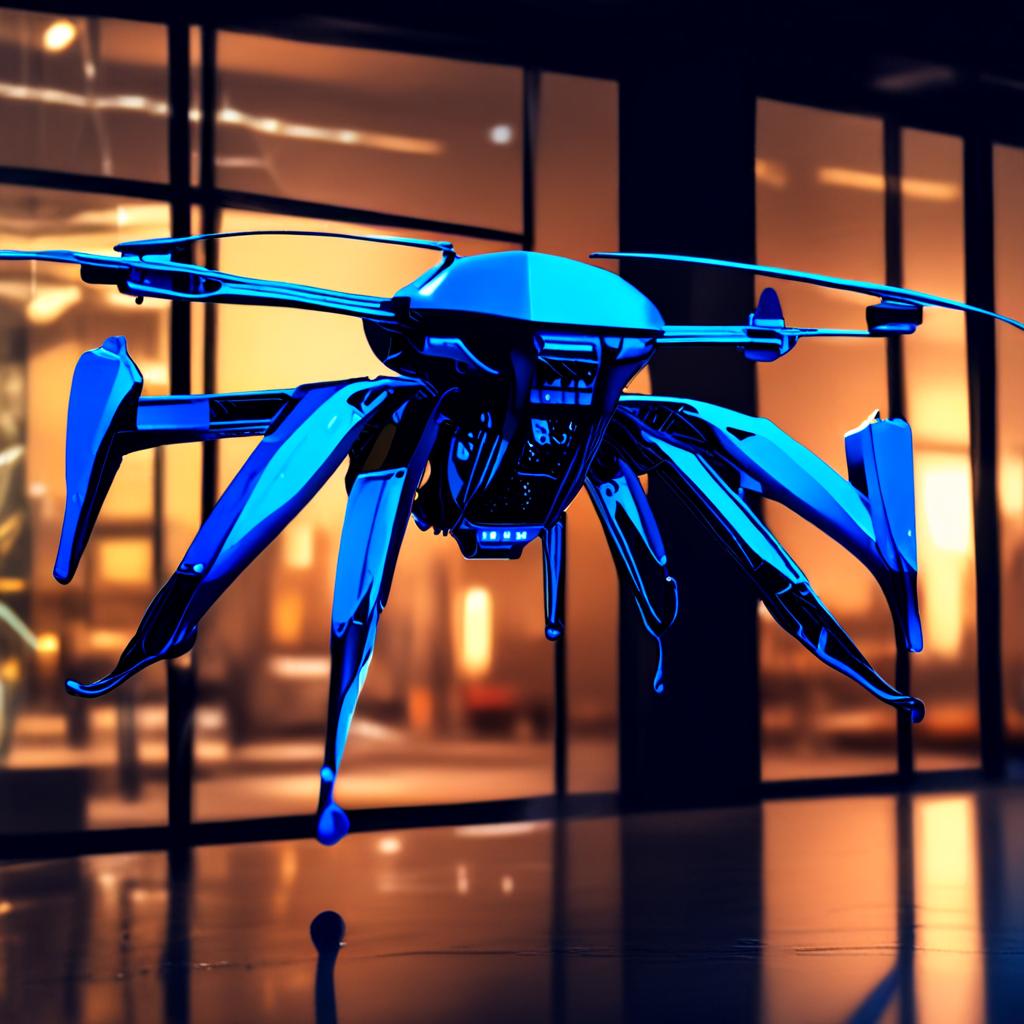
Lucid Bots has secured $20 million in new funding as demand for its window-cleaning drones and power-washing robots continues to accelerate across commercial real estate markets. The Charlotte-based robotics company is riding a wave of adoption that signals a fundamental shift in how businesses approach building maintenance and facade cleaning operations.
The funding round comes at a critical juncture for the robotics industry, where labor shortages and rising operational costs are forcing commercial property managers to seek automated alternatives. Lucid Bots' window-washing drones can clean a 10-story building in approximately two hours, a task that traditionally required a crew of four window washers working for two full days. The company's power-washing robots similarly offer 4x efficiency improvements over manual cleaning methods.
What makes this technology particularly compelling is its economic model. Property managers typically see ROI within 6-12 months through reduced labor costs, eliminated insurance premiums for high-risk window washing, and decreased water consumption. The drones use 80% less water than traditional methods while achieving superior cleaning results through precision spray patterns and consistent coverage algorithms.
The commercial cleaning sector represents a $40 billion market in North America alone, with window washing accounting for approximately $8 billion annually. Lucid Bots targets this fragmented market with a subscription-based model that includes hardware, maintenance, and software updates. This approach mirrors the success of companies like Meta's affiliate shopping links, which transformed how businesses approach digital monetization through recurring revenue streams.
Industry analysts note that the timing aligns with several converging trends. Urban buildings are getting taller, with over 700 skyscrapers completed globally in 2023 alone. Simultaneously, the skilled labor pool for high-rise window washing continues to shrink, with median ages climbing above 45 years. The pandemic also heightened hygiene awareness, creating demand for more frequent cleaning cycles that traditional methods cannot economically support.
Lucid Bots' technology stack combines computer vision, flight control algorithms, and specialized cleaning attachments. Their drones use LiDAR and ultrasonic sensors to maintain precise distances from glass surfaces while navigating around obstacles like window frames and architectural features. The cleaning solution delivery system employs micro-pump technology that ensures optimal fluid coverage without runoff, addressing one of the primary environmental concerns with automated cleaning systems.
Competition in the space is intensifying, with companies like Skyline Robotics and Apellix developing similar solutions. However, Lucid Bots claims a first-mover advantage with over 200 commercial deployments across North America. Their client base includes major property management firms, hotel chains, and even sports venues that require rapid cleaning turnaround between events.
The $20 million funding will accelerate product development, expand the commercial sales team, and support international market entry. The company plans to introduce autonomous scheduling software that optimizes cleaning routes based on weather patterns, building usage data, and historical cleaning performance. This AI-driven approach could further reduce operational costs by 15-20% while improving service quality through predictive maintenance.
Looking ahead, the window-washing drone market represents just one application of what industry experts call the "vertical cleaning revolution." Similar robotic systems are emerging for solar panel cleaning, building facade inspection, and even agricultural applications like fruit harvesting. Lucid Bots' success could serve as a template for how specialized robotics companies scale from niche applications to broader industrial automation markets.
The company's growth trajectory also highlights the increasing sophistication of venture capital in industrial robotics. Unlike consumer robotics, which often struggles with market adoption, industrial applications offer clearer ROI metrics and established procurement channels. This makes companies like Lucid Bots attractive to investors seeking exposure to automation trends without the volatility of consumer-facing robotics startups.
As Lucid Bots scales its operations, questions remain about regulatory frameworks for autonomous drones in urban environments. Current FAA guidelines require visual observers for commercial drone operations, though the company is working with regulators to establish certification standards for autonomous cleaning systems. The outcome of these discussions could significantly impact the timeline for widespread adoption.
The window-washing drone revolution exemplifies how targeted automation solutions can transform traditional industries. By addressing specific pain points with measurable economic benefits, companies like Lucid Bots are proving that robotics adoption doesn't require massive infrastructure changes or workforce displacement fears. Instead, they're offering pragmatic solutions that complement existing operations while delivering immediate value.
Read also: Meta's Commerce Revolution: How Affiliate Shopping Links Are Transforming Social Media Monetization
Industry Insights: #IndustrialTech #HardwareEngineering #NextCore #SmartManufacturing #TechAnalysis