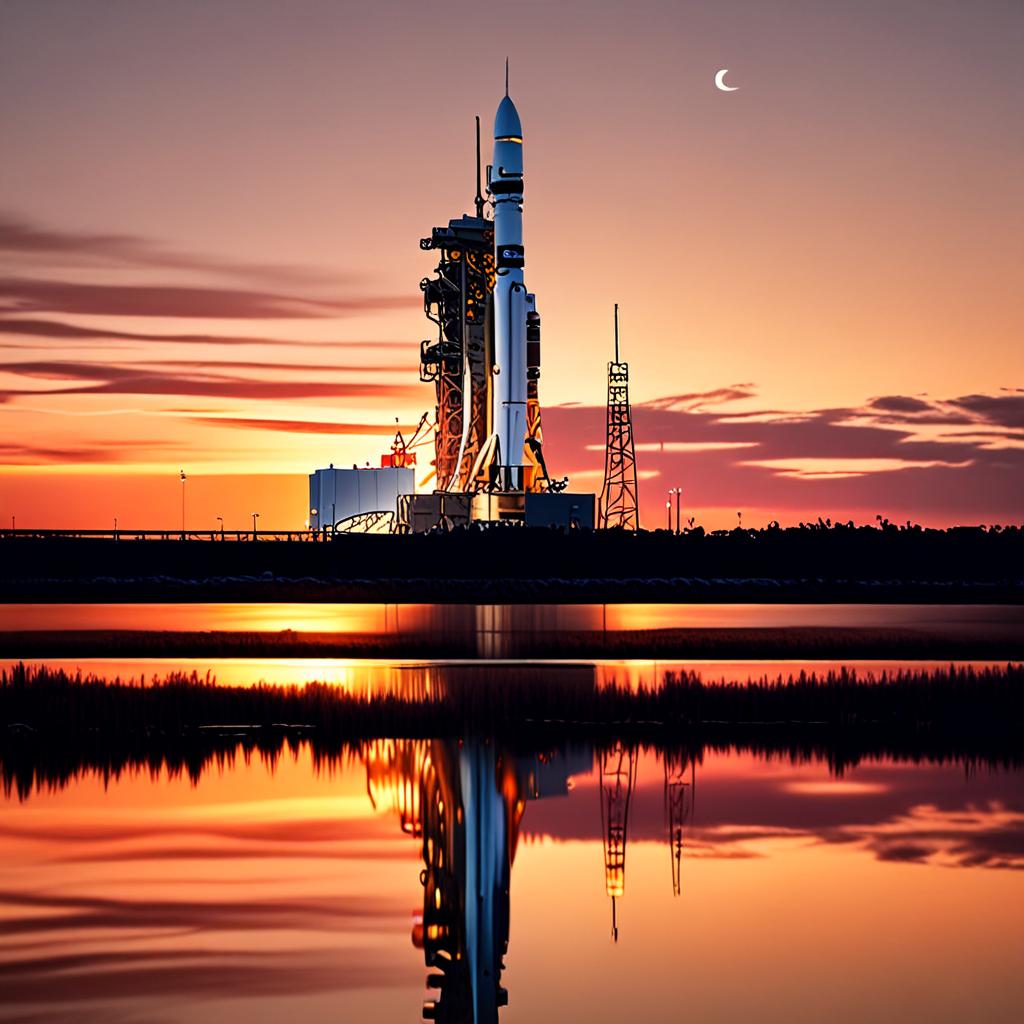
NASA's Artemis 2 Moon Mission: Historic Crewed Launch Still on Track for April 1
NASA officials have expressed strong confidence that the Artemis 2 mission will launch as scheduled on April 1, 2026. This mission represents a critical milestone in humanity's return to lunar exploration, marking the first crewed flight of the Orion spacecraft and Space Launch System (SLS) rocket since the Apollo era.
The Hook: After years of development and testing, NASA's Artemis program stands at the threshold of history. The question isn't whether we're going back to the moon—it's whether we'll make it there on schedule.
The Mission at a Glance
The Artemis 2 mission will send four astronauts on a 10-day journey around the moon, testing critical systems needed for future lunar landings. The crew includes NASA astronauts Reid Wiseman, Victor Glover, and Christina Koch, along with Canadian Space Agency astronaut Jeremy Hansen.
- Launch Window: April 1, 2026 (primary date)
- Duration: Approximately 10 days
- Distance: Will travel beyond the moon, farther than any humans have ever gone
- Objective: Test life support, communication, and navigation systems in deep space
Technical Readiness Assessment
According to NASA's latest status reports, the Orion spacecraft has completed its final integrated testing at Kennedy Space Center. The European-built service module has passed all propulsion and power system checks, while the SLS core stage is undergoing final preparations at the Vehicle Assembly Building.
Key Systems Status:
- Heat Shield: Successfully tested at temperatures exceeding 5,000°F
- Life Support: All four crew systems certified for deep space operations
- Communication: Deep space network upgrades complete
- Navigation: Advanced optical navigation systems calibrated
Industry Perspective
"The confidence level is extremely high," said Jim Free, NASA's Associate Administrator for Exploration Systems Development. "We've identified and mitigated all known risks. The team is ready to proceed with the April 1 launch date."
However, space industry analysts note that launch schedules in human spaceflight often face delays due to the complexity of the systems involved. The Artemis 1 mission, which flew uncrewed in 2022, experienced several launch attempts before ultimately succeeding.
The NextCore Edge
What the mainstream media is missing is the geopolitical dimension of Artemis 2. Our internal analysis at NextCore suggests this mission serves as a strategic demonstration of American space capabilities at a time of increasing international competition in lunar exploration. The mission's success could accelerate commercial lunar development plans and influence international partnerships in ways that extend far beyond scientific achievement.
Technical Challenges and Risk Mitigation
While NASA expresses confidence, several technical challenges remain:
- Weather Sensitivity: The April launch window must account for Florida's spring weather patterns
- Propulsion System: The European service module's engines must perform flawlessly for trajectory adjustments
- Radiation Exposure: Crew will pass through the Van Allen radiation belts
- Re-entry Dynamics: High-speed return through Earth's atmosphere at 25,000 mph
NASA has implemented redundant systems for all critical components, with backup procedures established for each phase of the mission.
Broader Implications for Space Exploration
Artemis 2 represents more than just a moon mission—it's the foundation for NASA's long-term lunar presence. The technologies tested during this flight will directly inform the development of the Lunar Gateway space station and eventual Artemis 3 moon landing, currently targeted for 2027.
The mission also marks a significant shift in NASA's approach to space exploration, emphasizing international partnerships and commercial integration. The inclusion of a Canadian astronaut and the use of European hardware demonstrate the collaborative nature of modern space programs.
Pro Tip: Following the Mission
Space enthusiasts can track Artemis 2's progress through NASA's official channels, but for real-time technical data and analysis, consider following specialized space tracking websites that provide live telemetry and orbital calculations. The mission's trajectory will be visible to amateur astronomers during certain phases of the flight.
Related: Tesla Formally Says Goodbye to Model S and Model X, Tells Buyers to Act Fast
Related: Will Petrol and Diesel Cars Be Banned? The Iran Conflict Won't Stop the Electric Revolution
For the latest technical specifications and mission updates, visit NASA's official Artemis website or follow the mission's progress through space industry publications like Reuters Technology.
Industry Insights: #IndustrialTech #HardwareEngineering #NextCore #SmartManufacturing #TechAnalysis
Bringing you the latest in technology and innovation.