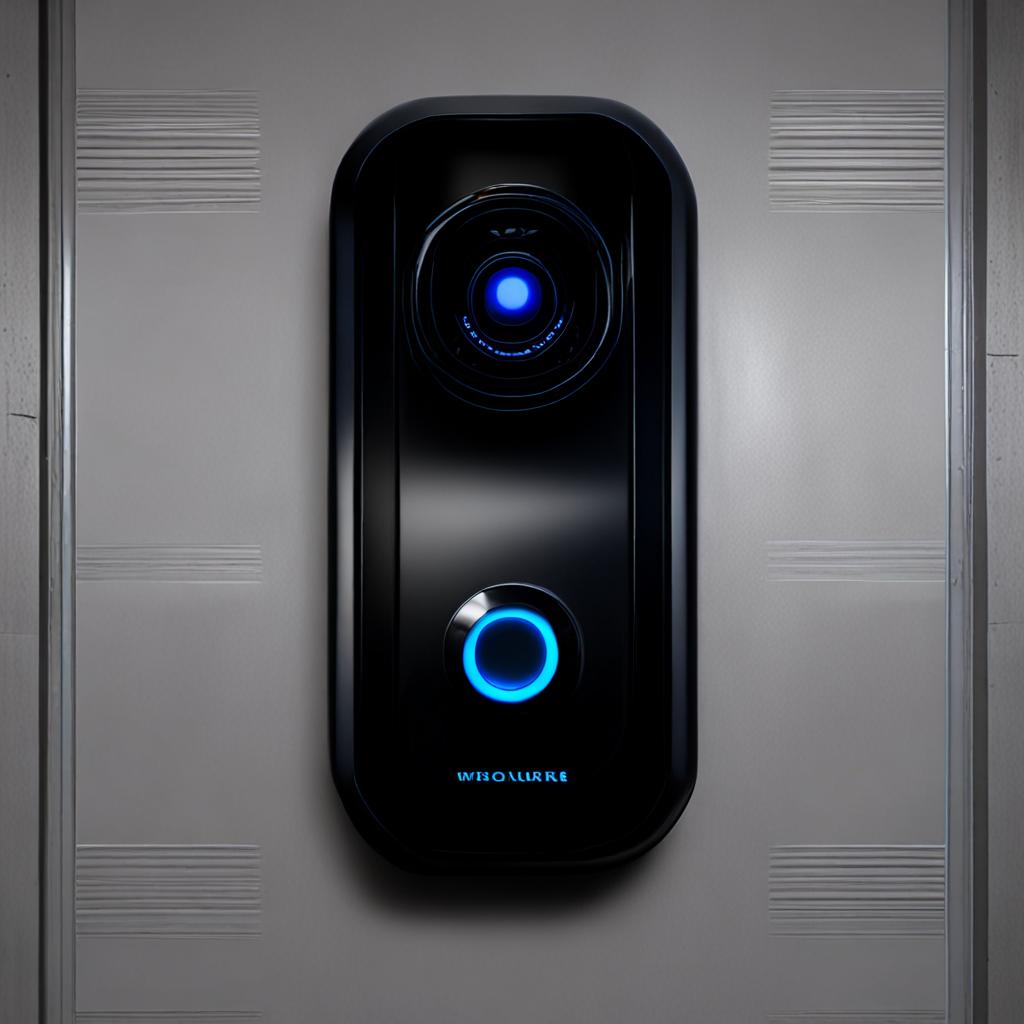
Smart Home Security 2026: Video Doorbell Camera Showdown with AI and Battery Power
The video doorbell camera market has undergone a dramatic transformation in 2026, with artificial intelligence capabilities, extended battery life, and subscription-free models reshaping how homeowners monitor their front doors. As package theft continues to rise and remote work becomes the norm, these smart devices have evolved from simple notification tools into sophisticated security systems that can distinguish between delivery personnel, family members, and potential intruders.
The integration of edge AI processing has become the defining feature of premium models in 2026. Unlike previous generations that relied heavily on cloud computing for person detection and motion analysis, today's top-tier video doorbells can perform complex recognition tasks locally. This architectural shift not only reduces latency but also addresses growing privacy concerns, as sensitive video data no longer needs to leave the home network. The latest chipsets from companies like Qualcomm and MediaTek enable real-time facial recognition, package detection, and even behavioral analysis directly on the device.
Battery technology has seen equally impressive advancements. Modern lithium-polymer cells combined with low-power AI processors now deliver 6-12 months of operation between charges, compared to the 2-3 months typical of 2024 models. This extended battery life comes from sophisticated power management systems that intelligently activate sensors only when specific events occur, rather than maintaining constant surveillance. Some manufacturers have even introduced solar-powered options that can theoretically operate indefinitely under optimal conditions.
The subscription-free movement has gained significant momentum as consumers push back against recurring fees. Several manufacturers now offer complete functionality without monthly charges, though this often means accepting slightly lower resolution or fewer cloud storage options. The trade-off appeals to budget-conscious buyers who prefer to own their technology outright rather than rent access to basic features. However, premium models still require subscriptions for advanced capabilities like extended video history and enhanced AI features.
Installation complexity varies significantly across the product spectrum. Battery-powered models offer true DIY installation with minimal tools required, while hardwired units demand electrical expertise or professional installation. The market has responded with hybrid solutions that support both power options, giving users flexibility based on their technical comfort level and existing infrastructure. Wi-Fi 6E compatibility has become standard, providing more reliable connections and better performance in congested network environments.
Integration capabilities have expanded beyond basic smart home platforms. Modern video doorbells now support direct integration with security systems, smart locks, and even local emergency services. Some models can automatically trigger lights, sirens, or contact authorities based on predefined threat levels. The most advanced units feature two-way audio with noise cancellation and echo suppression, making communication clearer even in noisy environments.
Privacy concerns have driven innovation in data handling. Many manufacturers now offer local storage options, encrypted transmission protocols, and the ability to mask specific areas of the camera's view. Some jurisdictions have implemented regulations requiring explicit consent for video recording, prompting manufacturers to include more granular privacy controls and clear indicators when recording is active.
The competitive landscape has consolidated around a few key players who continue to push technological boundaries. Established names like Ring and Nest face increasing competition from specialized security companies and new entrants leveraging advanced AI capabilities. The market has also seen interesting collaborations between traditional security firms and tech giants, resulting in hybrid solutions that combine physical security expertise with cutting-edge software.
Looking ahead, the next wave of innovation appears to be focused on predictive capabilities. Future models may analyze patterns to predict deliveries, identify unusual behavior, and even coordinate with other smart home devices to create comprehensive security responses. The integration of 5G connectivity could enable faster response times and more reliable performance in areas with limited Wi-Fi coverage.
Price points have stabilized around distinct tiers, with budget models under $100 offering basic functionality, mid-range options between $100-200 providing solid performance and features, and premium units exceeding $200 for those seeking the latest technology and best performance. The value proposition has improved across all segments, with even entry-level models now including features that were premium just two years ago.
Consumer education has become increasingly important as these devices grow more complex. Manufacturers are investing in better setup experiences, clearer privacy documentation, and more intuitive mobile applications. The goal is to make sophisticated security technology accessible to users regardless of their technical expertise.
The video doorbell camera market in 2026 represents a mature but rapidly evolving segment of the smart home industry. With advancements in AI, battery technology, and privacy features, these devices have become essential tools for modern home security. As the technology continues to mature, the focus is shifting from basic functionality to seamless integration, predictive capabilities, and user-friendly experiences that make sophisticated security accessible to everyone.
Read also: Starcloud's $170M Space Data Center Bet: The Fastest Unicorn in YC History - While video doorbells bring security to your front door, space-based data centers are revolutionizing how we process and store the massive amounts of video data these devices generate.
Industry Insights: #IndustrialTech #HardwareEngineering #NextCore #SmartManufacturing #TechAnalysis
Bringing you the latest in technology and innovation.